Reviving the Coastal Wetlands of Lokowaka in Hilo, Hawaiʻi
Help care for the ʻāina and restore this traditional Hawaiian loko iʻa, preserving Hawaiʻi’s unique natural and cultural legacy.
At ʻĀina Hoʻōla Initiative, we believe healing ʻāina is a shared kuleana. Through community, inclusivity, and collaboration, we bring people together to mālama Lokowaka, learn from one another, and care for this special place for generations to come.
Embrace Aloha ʻĀina
The Lokowaka Pond complex provides essential habitat for native aquatic species, endangered waterbirds, and migratory and vagrant species.
As invasive species are removed, habitat recovers and a landscape long hidden gradually reemerges. The wetland is a dynamic, evolving ecosystem, shaped by water, plants, wildlife, people, and changing conditions. We are part of this living system, and as the ʻāina heals, the life it sustains can thrive.
Our Approach
Caring for Lokowaka requires a thoughtful, community-based, hands-on approach. To protect its archaeological features and the many species that call it home, we avoid heavy machinery and do not use herbicides. Instead, we rely on hand tools, manual restoration methods, and the collective efforts of volunteers and partners.
This work requires time, patience, and many helping hands, but it also strengthens enduring relationships between people and ʻāina. Even a few hours of stewardship can make a meaningful difference for the life that depends on Lokowaka.
Through kilo (careful observation), the ʻāina continues to teach and guide us, deepening our understanding of ecosystem health and supporting our growth as kiaʻi loko (guardians of the pond).
2,177+
Volunteers
9,610+
Hours
64
Organizations
15
Countries
Our Impact:
Bringing Life Back
As habitat opens, we are seeing meaningful signs of recovery across the wetland.
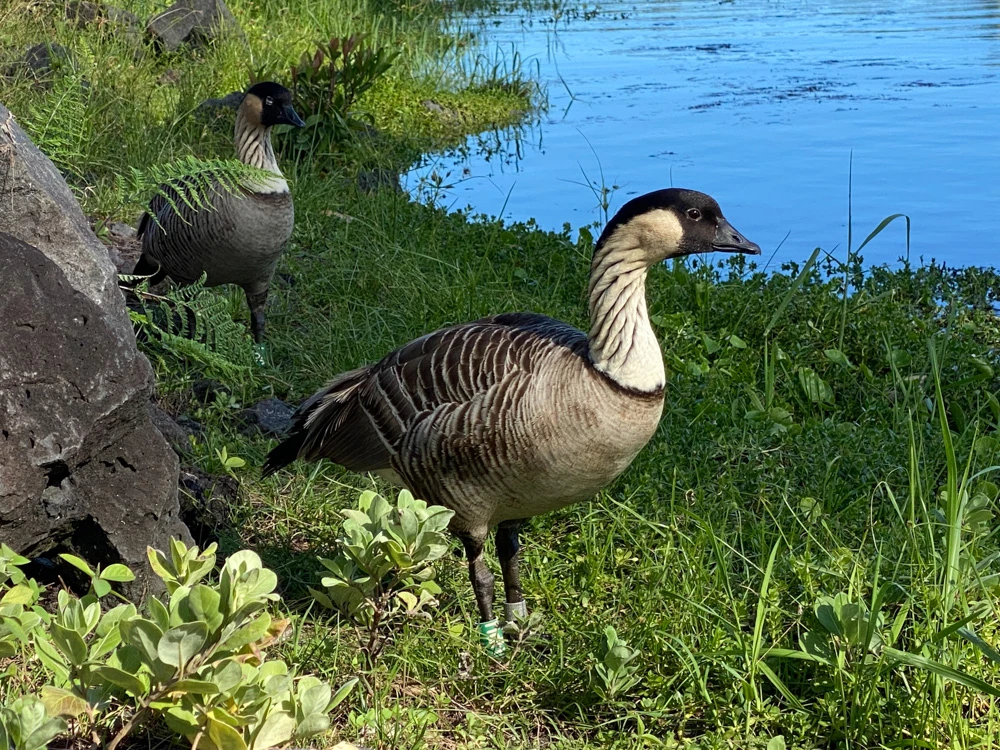
Within just three months of restoration work, nēnē (Hawaiian geese) began visiting—and have continued to return regularly. About a year later, a pair of aeʻo (Hawaiian stilts) was observed, and the population of ʻalae keʻokeʻo (Hawaiian coots) has increased.
Restoration has also benefited aquatic species, and we are expanding efforts to support aquatic life at Lokowaka.
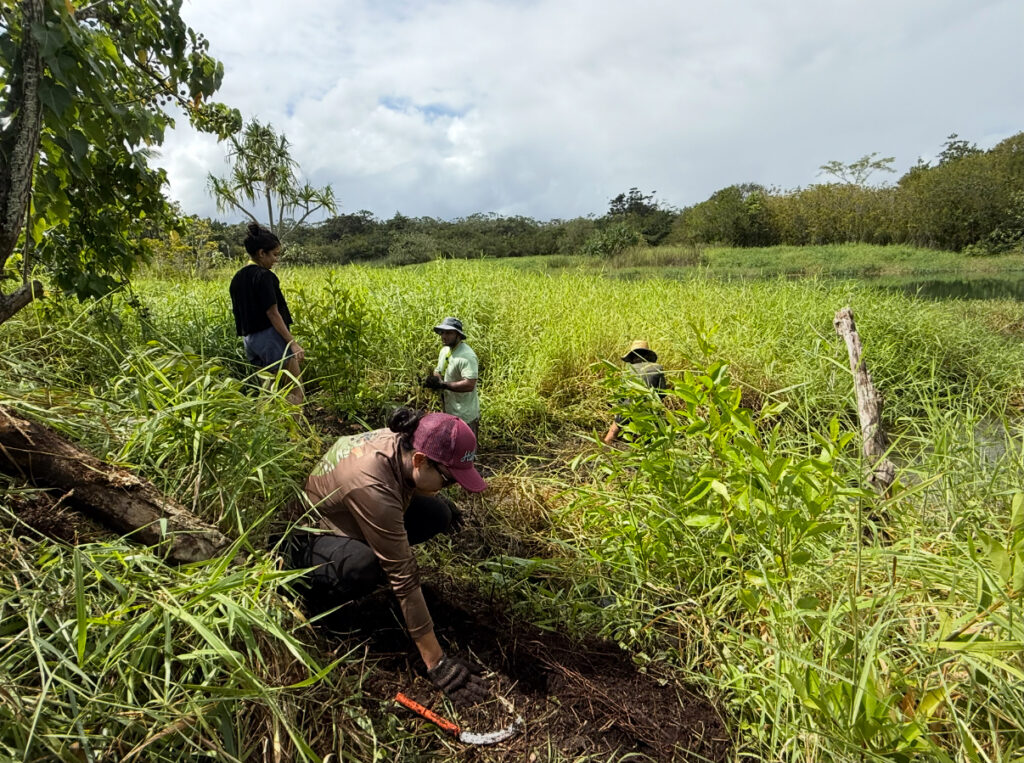
Love volunteering days with ʻĀina Hoʻōla Initiative! Itʻs a chance to work hard, learn, get gross, see our native and endemic water fowl, work with great folks, and get some quality time with ʻāina. Never hurt we get to cool off at Kealoha with the honu.
Catarina Zaragoza
Hilo, Hawaiʻi
Mālama ʻĀina (caring for the land): Revitalize, Protect, Engage, Support
What are Coastal Wetlands?
Wetlands are areas where water covers the land or keeps the soil saturated for extended periods. Coastal wetlands occur where land meets the sea and may be influenced by fresh, brackish, or salt water.
At Lokowaka, freshwater springs and coastal influences create an estuarine pond complex surrounded by recovering marsh habitat.
Hawaiʻi Island has lost about 75% of its historic low-elevation wetlands, largely due to infill and development. The Lokowaka Pond complex is identified in the 2024 Pacific Birds Habitat Joint Venture Strategic Plan, as the highest-priority wetland restoration site on Hawaiʻi Island and 11th statewide.
Estuaries and Loko I'a
Estuaries are places where freshwater and saltwater meet, creating productive habitats for fish, waterbirds, invertebrates, and other wildlife.
In Hawaiʻi, loko iʻa (traditional Hawaiian fishponds) are sophisticated aquaculture systems that work with natural water cycles and ecological processes. Species such as ʻamaʻama (striped mullet) depend on estuarine habitats during parts of their life cycle.
Lokowaka is primarily fed by freshwater springs and has very low salinity, contributing to its unique ecology. At the pond complex, we are removing invasive vegetation that has encroached into the ponds and restoring open water and habitat.
Restoring Ecological Balance
A healthy wetland is an interconnected living system in which water, plants, wildlife, and people exist in relationship with one another.
Through biocultural restoration at Lokowaka, we work to restore these relationships—removing invasive species, improving water movement, and supporting the interconnected life of the wetland.